
Blog overview
Payment card fraud can affect customers and businesses through stolen card details, unauthorized transactions, phishing attempts, and other deceptive activities. As digital payments continue to grow, understanding common fraud techniques is essential for protecting sensitive information and maintaining secure payment experiences. With the right security practices, businesses and customers can identify suspicious activity and reduce potential risks.
Fraud prevention starts with awareness and proactive security measures. From monitoring transactions and protecting card details to using secure authentication and recognizing suspicious messages, simple precautions can help prevent common threats. Strong security practices also help businesses respond faster when unusual activity occurs.
1. Watch for unfamiliar transactions and report suspicious activity quickly.
2. Never share card numbers, PINs, passwords, or verification codes.
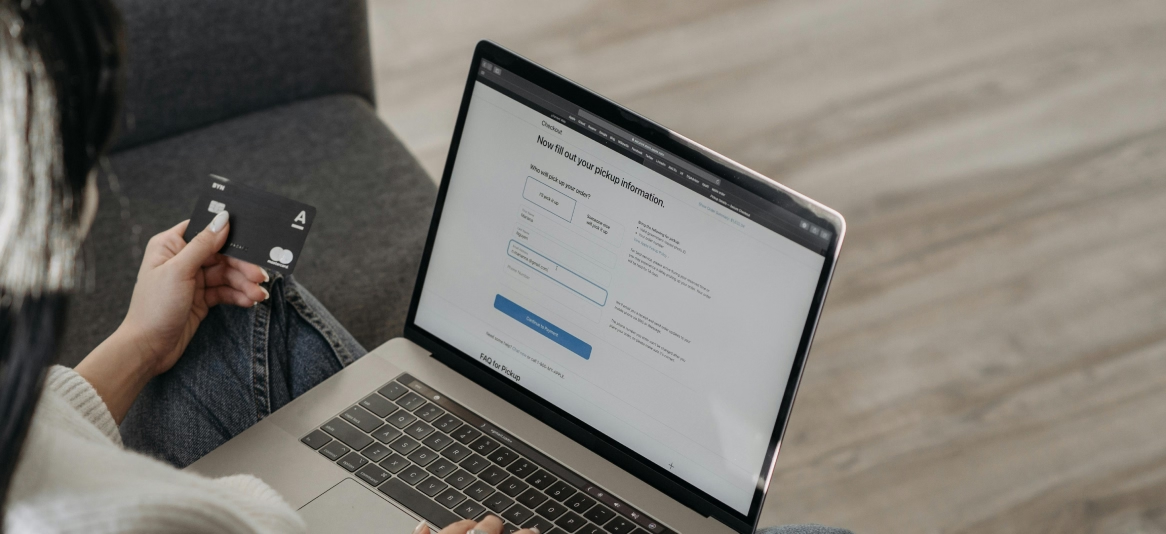
3. Use trusted websites and secure payment platforms for online purchases.
4. Enable transaction alerts to monitor card activity in real time.
Strong fraud prevention combines customer awareness, secure technology, and continuous monitoring. By identifying common threats early and following reliable security practices, businesses and customers can reduce unauthorized transactions and protect sensitive payment information.
What you'll discover
This guide explores common types of payment card fraud and practical ways to prevent them. It covers phishing, card skimming, stolen credentials, unauthorized transactions, and other common threats that can affect modern payment experiences. Understanding how fraud happens makes it easier to recognize warning signs and take action before losses occur. Secure authentication, transaction monitoring, customer education, and responsible handling of card information can create stronger protection across digital and physical payment environments.
- Phishing attacks: Learn how fraudulent emails, messages, and websites can trick users into revealing sensitive payment information.
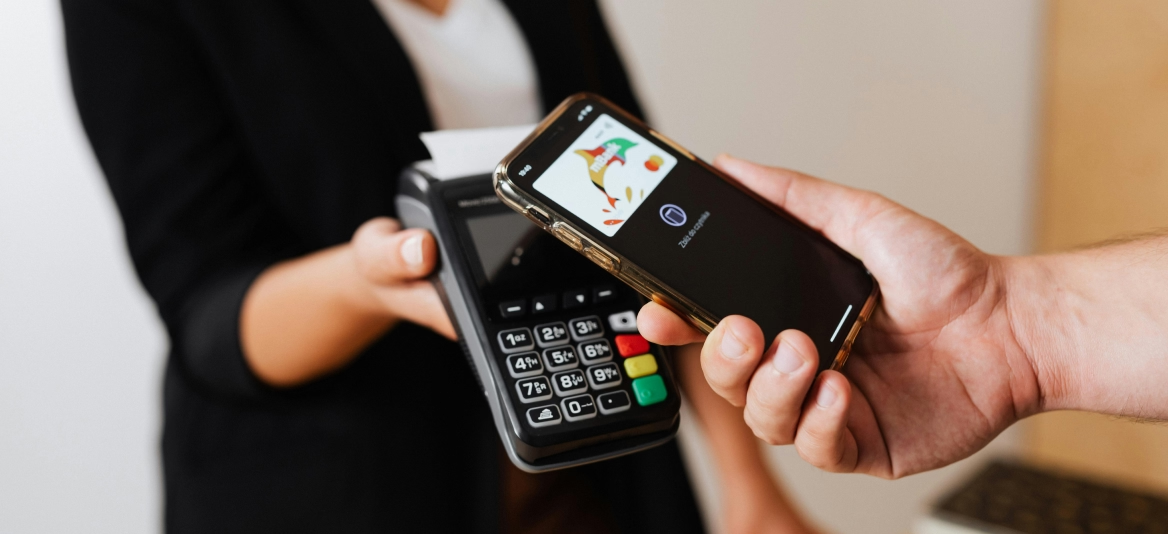
- Card skimming: Understand how criminals can capture card details through compromised payment terminals and other devices.
- Unauthorized transactions: Discover ways to monitor card activity and identify unfamiliar purchases before they become larger issues.
- Account protection: Explore security practices such as strong authentication, transaction alerts, and secure payment environments.
Through practical security guidance and fraud prevention insights, this guide highlights effective ways to protect payment cards. From recognizing suspicious activity to strengthening account security, proactive measures can help businesses and customers create safer and more reliable payment experiences.